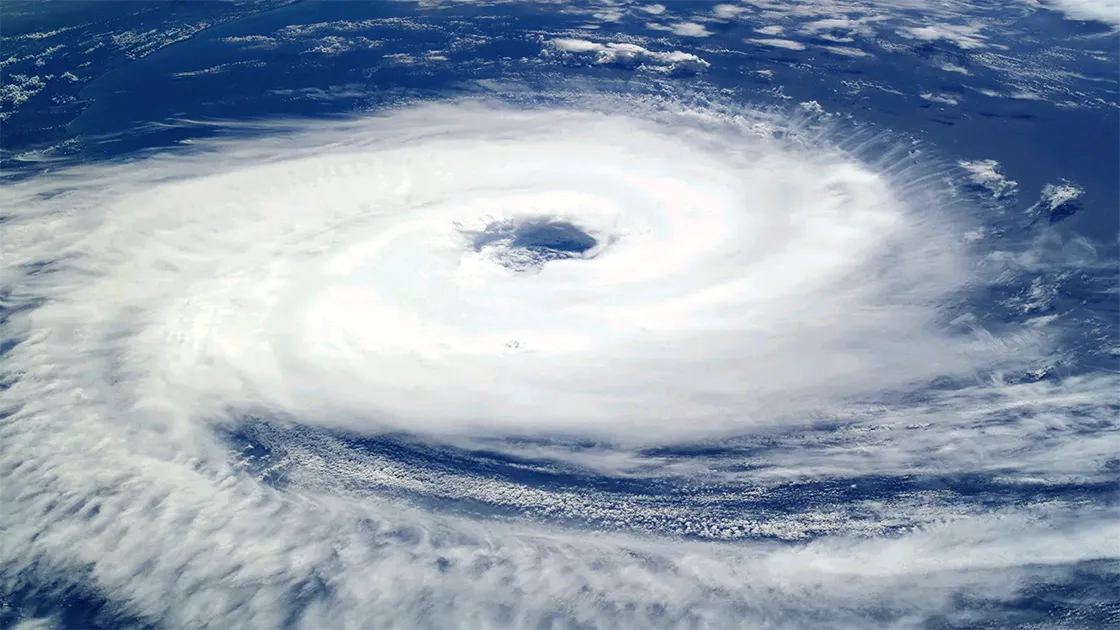
Hurricane Satellite View

Storm AtlasLive Storm Tracker & Hurricane Monitoring

Monitor active storms worldwide with Storm Atlas. Track hurricanes, typhoons, tropical storms, and cyclones in real-time with live path updates, forecasts, wind fields, and atmospheric pressure maps.

Loading live hurricane tracking map...

What is Storm Atlas?

Storm Atlas is a premier global weather intelligence platform and storm tracking database available directly in your browser. With no installation required, Storm Atlas monitors hurricanes, typhoons, tropical storms, and cyclones across all major ocean basins. By aggregating data from leading meteorological agencies worldwide, we provide citizens, maritime operators, and weather enthusiasts with highly accurate, live-updating storm tracking assets, historical wind speed metrics, and central atmospheric pressure data. Beyond severe weather tracking, Storm Atlas also provides wildfire monitoring, smoke dispersion analysis, and air quality insights to help users understand global atmospheric hazards.

Storm Types We Track

Different regions refer to intense tropical cyclones by different meteorological terms. Storm Atlas tracks all forms of severe storm systems globally to help establish consistent weather awareness.

🌀 Hurricanes

Forming in the Atlantic and Northeast Pacific Oceans, hurricanes are severe tropical cyclones with sustained wind speeds exceeding 119 km/h (74 mph). Storm Atlas monitors Atlantic and Pacific hurricane paths, intensity shifts, and landfall warnings.

Track Live Hurricanes

🌬️ Tropical Storms

A tropical storm features organized convection and a defined circular wind pattern with sustained winds ranging between 63 km/h and 118 km/h. Tracking tropical storms is vital as they can rapidly intensify into major cyclones or typhoons.

Track Tropical Cyclones

🚩 Typhoons

Active in the Western Pacific Ocean, typhoons are structurally identical to hurricanes but are characterized by their regional terminology. Storm Atlas tracks Northwest Pacific typhoons, super typhoons, and local meteorological bulletins in real-time.

Track Live Typhoons

⛈️ Cyclones

Commonly occurring in the Indian Ocean and South Pacific, tropical cyclones are low-pressure systems rotating clockwise in the Southern Hemisphere and counter-clockwise in the North. We track South Pacific cyclones and Bay of Bengal systems.

⚠️ Severe Storms

Severe storms include post-tropical depressions, deep lows, and intense convective cells. Monitoring these systems is crucial because they cause widespread wind damage, coastal storm surges, and intense flooding even after weakening.

How Storm Atlas Works

Our platform integrates multiple advanced scientific data sources and meteorological visual layers to deliver reliable weather intelligence.

📡

Satellite Imagery Overlay

We fetch high-resolution meteorological satellite loops to display cloud cover dynamics, convective activities, and structural evolution of storm eyes.

💻

Dynamic Forecast Models

Storm Atlas utilizes official agency forecast cones and computer models to project the path of active storms up to 72 or 120 hours in advance.

📍

Live Path Tracking

Real-time updates continuously update coordinates, speed, and directional vectors to pinpoint the current center of any active tropical cyclone.

💨

Wind & Atmospheric Pressure

We overlay isobar pressure contours and vector wind fields, allowing users to analyze eye pressure drops and dangerous quadrant wind speeds.

Why Choose Storm Atlas

Storm Atlas stands out as a highly reliable and user-focused meteorological tracking platform.

Real-time Updates

We poll official data continuously, ensuring our live tracking maps refresh as soon as new advisory warnings are issued by global weather agencies.

📚

Historical Database

Search and explore previous storm records categorized by year and basin. Compare storm intensity trends and path dynamics over decades of records.

🗺️

Interactive Tracking Map

Toggle between 39 distinct weather layers including wind fields, satellite loops, and local radar. Search specific coordinates to inspect wind metrics.

📱

Mobile Friendly Layout

No app downloads needed. Our website is completely responsive and optimized for smartphones and tablets, offering smooth tracking on the go.

Storm Atlas Features

Real-time tropical cyclone tracking and path projection

Comprehensive coverage of all global ocean basins

Interactive wind field and pressure system visualization

Official meteorological data feeds updated live

How to Use Storm Atlas

Map Navigation

  • Click and drag to pan the map view
  • Use mouse wheel or pinch gestures to zoom
  • Click markers for detailed information

Layer Controls

  • Wind Field Animation
  • Storm Eye Location

Wind & Weather Information

  • Click anywhere on the map to display a flag showing local wind direction and speed
  • Expand the dropdown menu to view detailed weather forecasts, including temperature trends and wind pattern changes
  • Customize measurement units for rainfall and wind speed according to your preference
  • Swipe right to access additional information including sunrise/sunset times, coordinates, elevation, and extended forecasts

Frequently Asked Questions about Storm Atlas

Find comprehensive answers about using Storm Atlas to track hurricanes, typhoons, tropical cyclones, and global weather patterns.

Q:What is Storm Atlas?

Storm Atlas is a comprehensive online weather database and live storm tracker. It is designed to monitor global tropical cyclones, hurricanes, typhoons, and tropical storms, providing real-time path projections, wind metrics, and atmospheric pressure data to keep you informed of active weather hazards.

Q:How do I use Storm Atlas to monitor storms?

To track storms on Storm Atlas, navigate to our interactive map or list pages. You can select specific ocean basins—such as the Western Pacific, Atlantic, or Indian Ocean—or filter by storm status. The map will display the current location, past track history, and forecast cone of any selected active cyclone.

Q:What makes Storm Atlas different from other storm trackers?

Storm Atlas stands out by combining a comprehensive historical database with seasonal auto-positioning. The system automatically highlights active ocean basins based on seasonal patterns. Furthermore, it overlays advanced meteorological datasets like isobar contour lines and real-time vector wind fields, offering professional-grade tracking features in a clean web browser interface.

Q:What storm details does Storm Atlas provide?

For every tracked storm, Storm Atlas provides detailed basic metrics: current location coordinates, maximum sustained wind speeds, minimum central pressure, official meteorological category, formation and dissipation timelines, live satellite cloud loops, and interactive path forecasts.

Q:Which ocean basins and regions are covered?

Storm Atlas covers all major global tropical cyclone basins: Western Pacific typhoons, Atlantic and Eastern Pacific hurricanes, North Indian Ocean cyclones (Bay of Bengal and Arabian Sea), and Southern Hemisphere cyclones (South Pacific and South Indian Ocean).

Q:How accurate is the storm data on Storm Atlas?

We source our tropical cyclone advisories and meteorological data directly from official agencies worldwide, including the Japan Meteorological Agency (JMA), National Hurricane Center (NHC), Joint Typhoon Warning Center (JTWC), and China Meteorological Administration (CMA). This ensures high reliability and official accuracy.

Q:How to use Storm Atlas effectively during active storm seasons?

During active seasons, check the Storm Atlas home map regularly. Pay close attention to the forecast cone to understand potential impact areas, toggle the wind field layer to view localized wind speed forecasts, and review the isobar lines to track the development and strengthening of low-pressure centers.

Q:Is Storm Atlas mobile-friendly?

Yes, Storm Atlas is fully optimized for mobile devices. It runs directly inside any modern mobile web browser on your smartphone or tablet without requiring any app store downloads, allowing you to track hurricanes and typhoons while on the move.

Q:What advanced features are available on Storm Atlas?

Storm Atlas features a dynamic weather layer switcher (with up to 39 overlays), isobar pressure toggles, custom wind speed and rainfall unit converters, coordinate search pins, and dynamic multi-agency track comparisons (e.g., comparing JMA vs. JTWC tracks).

Q:How often is storm tracking data updated?

Data updates on Storm Atlas are triggered automatically whenever official meteorological agencies issue new advisory bulletins (typically every 3 to 6 hours for active storms). Real-time weather overlay layers are updated continuously throughout the day.

Q:Can I track historical typhoons and hurricanes on Storm Atlas?

Yes, Storm Atlas maintains a complete historical storm database. You can browse through our dedicated year pages (e.g., storms from 2025 or 2026) to inspect past tracks, storm categories, peak wind speeds, and min pressure achievements.

Q:How does StormAtlas assist with storm preparedness and safety?

By presenting clear path forecasts, vector wind fields, and storm category information, StormAtlas helps you visualize the scale and trajectory of approaching cyclones. This official meteorological information supports your preparation plans and keeps you ahead of severe weather warnings.

Q:Does StormAtlas provide wildfire, smoke, and air quality monitoring through the Map Controls Panel?

Yes. StormAtlas integrates NASA satellite fire detection data, weather models, and atmospheric data to monitor wildfires, smoke movement, and air quality conditions worldwide. By enabling the “🔥 Active Fires”, “🌫️ Smoke & Air Quality”, and “🌲 Fire Danger Index” layers in the Map Controls Panel, users can track wildfire locations, Fire Radiative Power (FRP), smoke plume movement, and air quality changes across the globe.

Q:Where does StormAtlas get wildfire data from?

StormAtlas uses satellite-based fire detection data from NASA FIRMS, combined with weather and atmospheric models, to provide global wildfire monitoring and smoke analysis.